
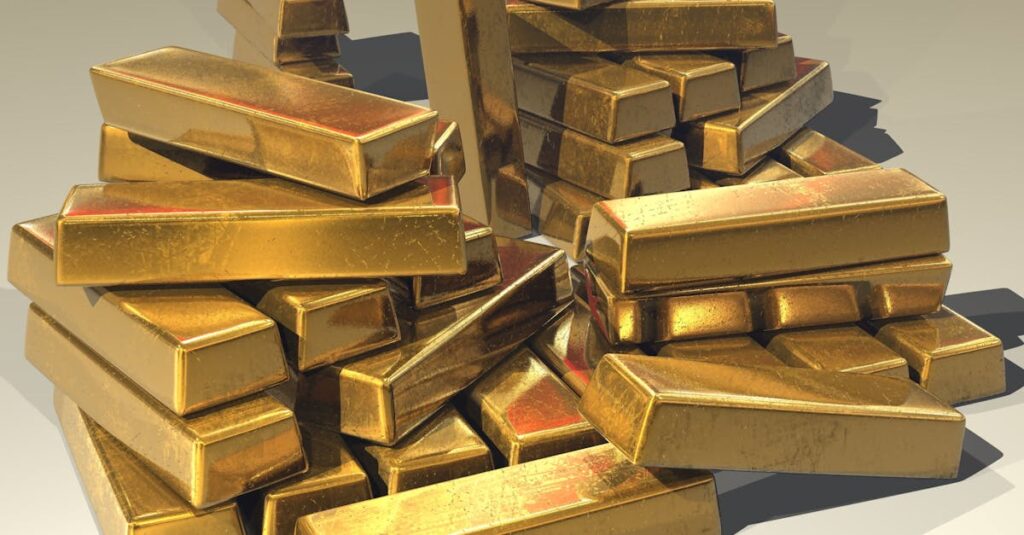
In a world where the stock market can feel like a rollercoaster ride, many savvy investors are turning their gaze to the glittering allure of precious metals. Who wouldn’t want to own a slice of something that’s been valued for centuries? But with so many shiny options out there, how does one choose the best precious metal to invest in?
Table of Contents
ToggleOverview of Precious Metals
Precious metals serve as valuable assets in investment portfolios. Investors often consider gold, silver, platinum, and palladium when assessing which metal offers the greatest potential. Gold remains a popular choice due to its historical stability and cultural significance. It has long acted as a hedge against inflation.
Silver, while less expensive than gold, provides unique advantages. Its industrial applications—such as in electronics and solar panels—create demand outside of traditional investment. Investors frequently view silver as both a commodity and a monetary asset.
Platinum stands out for its rarity and industrial usage. Demand primarily arises from the automotive sector, particularly in catalytic converters. Its investment potential can be influenced by economic trends and the automotive market’s health.
Palladium, like platinum, comes from the automotive demand but has gained popularity due to stricter emission regulations. Investors now favor palladium for its performance in recent years, often surpassing that of gold and silver.
Investors benefit from diversifying among different precious metals. They can balance risk and reward through this diversification strategy. Understanding each metal’s market dynamics proves essential for informed investment decisions. Data shows that investing in precious metals tends to outperform inflation and stock market volatility.
Monitoring geopolitical stability and economic indicators helps forecast precious metal performance. Schmidts and Curran (2022) report significant investment gains linked to geopolitical uncertainties. Thus, weighing these factors aids investors in determining the best precious metal to acquire.
Gold: The Timeless Investment
Gold serves as a cornerstone in the precious metals sector, known for its reliability and longstanding allure among investors.
Historical Significance
Gold’s value dates back thousands of years, utilized as currency in ancient civilizations. Across different cultures, it symbolizes wealth and power, solidifying its place in history. Emperors and kings often adorned themselves with gold, conveying both status and prestige. Investors recognize gold’s role as a safe haven, especially during economic turmoil. The yellow metal’s intrinsic value has weathered wars and recessions, reinforcing its significance as a protective asset. As inflation concerns rise, gold remains a preferred choice for preserving purchasing power.
Current Market Trends
Today’s market presents gold as a focal point amid fluctuating economic conditions. Recent geopolitical tensions and inflation have bolstered investor interest in this precious metal. Analysts observe a steady increase in gold prices, reflecting heightened demand for stability. Financial uncertainty has prompted investors to pivot towards gold, viewing it as a reliable hedge. Economic forecasts indicate that central banks continue to accumulate gold reserves, further supporting its market value. Prominent investment trends show a shift to gold exchange-traded funds (ETFs), making it more accessible for a broader range of investors.
Silver: The Versatile Choice
Silver stands out as a precious metal due to its unique blend of industrial and investment properties. Investors often appreciate silver for its affordability compared to gold, yet its potential for growth remains significant.
Industrial Demand
Industrial applications drive silver’s demand. In electronics, silver serves as a crucial component due to its excellent conductivity. Photovoltaic cells use silver for solar panels, with increasing adoption of renewable energy sources boosting this demand further. Medical devices also rely on silver for its antibacterial properties, enhancing its appeal in various sectors. Overall, the industrial utilization of silver contributes to its status as both a commodity and an investment.
Investment Opportunities
Investors find numerous opportunities in silver. Purchasing physical silver, such as coins or bars, provides tangible assets in an investment portfolio. Exchange-traded funds (ETFs) offer another way to invest in silver, allowing for easier trading without the need for physical storage. Collectible silver coins can appreciate significantly over time, generating additional profit potential. Market fluctuations often lead to strategic buy opportunities, making silver an attractive option for diverse investment strategies.
Platinum: The Hidden Gem
Platinum stands out as a unique investment option among precious metals. Its rarity and essential role in various industries contribute to its allure.
Supply and Demand Dynamics
Supply constraints boost platinum’s value. Primary production occurs mainly in South Africa, where geopolitical factors influence mining operations. Demand stems primarily from the automotive industry, which utilizes platinum for catalytic converters. Additionally, jewelry manufacturing sustains demand due to platinum’s durability and aesthetic appeal. Market trends indicate a limited supply accompanied by steady demand, creating a favorable environment for investment. These dynamics signal potential for price increases, drawing the attention of savvy investors.
Price Volatility
Price fluctuations characterize platinum’s market behavior. Over recent years, platinum experienced significant price swings, typically influenced by economic changes and industry demand levels. Compared to gold and silver, platinum often exhibits higher volatility, with periodic booms and declines reflecting broader market sentiment. Investors focusing on platinum must remain alert to market trends, as shifts in automotive regulations can drastically impact prices. Observing these factors can provide insights into timing investments for maximum returns.
Palladium: The Rising Star
Palladium quickly gained attention for its increasing value and unique market position. Investors often view it as an attractive option due to its growing demand across multiple sectors.
Automotive Industry Influence
The automotive industry significantly drives palladium demand. Automakers rely on palladium for catalytic converters, crucial in reducing harmful emissions. Stricter environmental regulations lead to heightened pressure on manufacturers to use more palladium in their vehicles. In recent years, this reliance has caused palladium prices to soar, surpassing those of gold and platinum. Investors who pay attention to industry trends notice that both luxury and mass-market vehicles increasingly incorporate palladium technology.
Future Outlook
Looking ahead, palladium’s prospects appear strong amid shifting market dynamics. Analysts predict continued demand due to ongoing regulatory changes focused on emissions reduction. Supply shortages may impact prices as mining production struggles to keep pace with increasing consumption. Producers in Russia and South Africa largely control palladium supply, making geopolitical tensions a vital factor in price stability. Stakeholders monitoring these trends likely find investment opportunities as vehicle electrification and alternative technologies evolve.
Comparison of Precious Metals
Investors often evaluate the risk and reward dynamics of precious metals. Each metal presents unique opportunities and challenges. Gold typically offers stability and is viewed as a safe haven, making it appealing for conservative investors. Silver’s price fluctuations can provide greater risk yet promise substantial rewards, particularly during periods of industrial demand. Platinum and palladium offer high potential returns, influenced by their rarity and industrial applications, though both can experience significant price volatility.
Long-term and short-term investment strategies present distinct advantages in the precious metals market. Long-term investments in gold benefit from historical resilience, positioning it as a hedge against inflation. Investors may appreciate silver’s lower entry cost for short-term trading opportunities. Meanwhile, platinum and palladium often attract short-term investors seeking to capitalize on market fluctuations or regulatory shifts. Aligning investment strategies with personal financial goals and market trends plays a crucial role in maximizing returns across varying timelines.
Investing in precious metals offers a unique opportunity for those looking to diversify their portfolios. Each metal presents distinct advantages and market dynamics that can align with various investment strategies. Gold remains a reliable choice for stability and wealth preservation while silver’s industrial demand provides growth potential. Platinum and palladium cater to investors seeking high returns amid market volatility.
Understanding the nuances of these metals is essential for making informed decisions. Keeping an eye on geopolitical factors and economic trends can further enhance investment outcomes. By strategically navigating the precious metals market, investors can position themselves for long-term success and capitalize on emerging opportunities.